
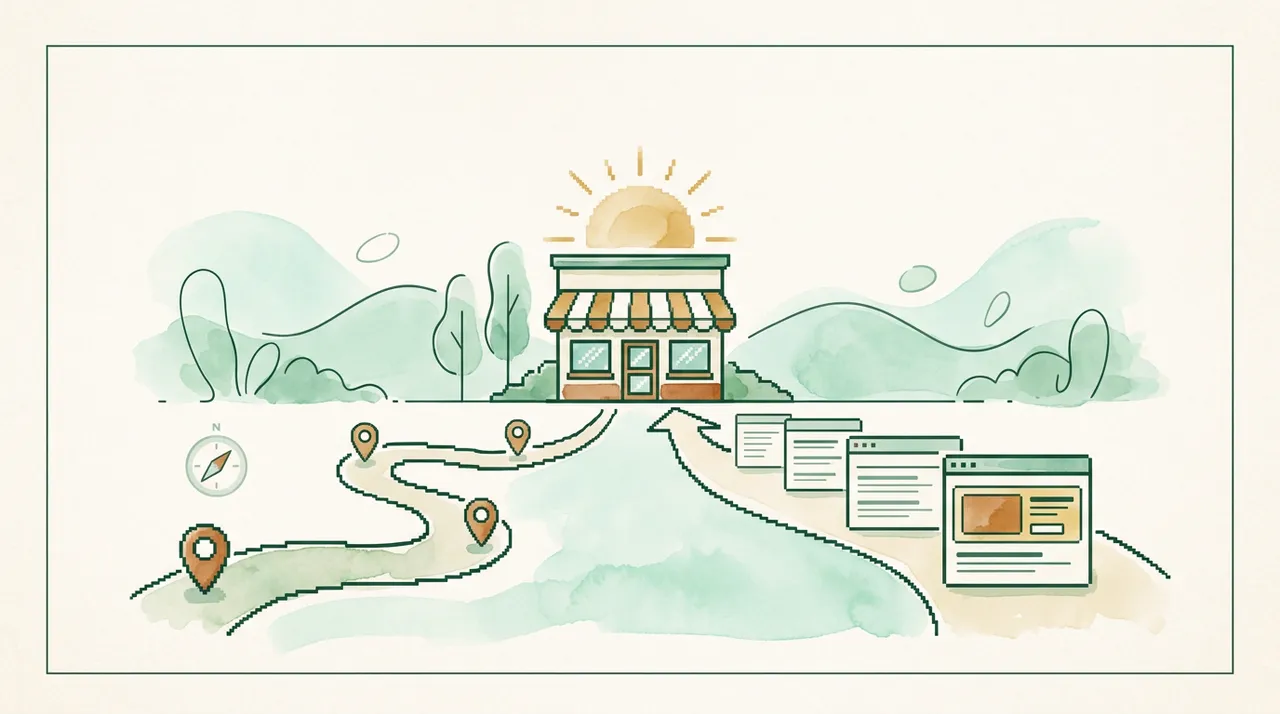
Short answer: Use ads when you need controlled demand now. Use local SEO when the foundation that earns nearby trust is weak. Many businesses need both, but the order matters.
If you are deciding what to buy, what to fix, or where to spend next, this checklist is designed to turn a local visibility problem into a practical decision. It avoids generic SEO theory and focuses on what a local business owner, marketer, or agency can verify before committing budget.
In this guide
Why this matters now
Owners often increase ads when the real problem is weak Maps visibility, poor reviews, a confusing profile, or a broken booking path. That is why the decision should start with evidence: what is visible in Google Business Profile, what competitors are doing, what the website supports, and where calls or appointments are leaking.
Start with the buyer question
Ask this before you compare vendors, tools, or campaigns:
- What local visibility problem are we trying to solve?
- Which signal proves the problem exists?
- What would count as a useful next action?
- What change would be risky without review?
- How will we know whether the fix helped?
What not to do first
- Do not use ads to hide a weak local foundation forever.
- Do not pause all SEO work just because paid clicks are available.
- Do not compare SEO and SEM using only traffic volume.
- Do not promise that either channel guarantees rankings or revenue.
The checklist
| Area | Question to answer | What to do next |
|---|---|---|
| Urgency | Do you need leads this week or durable local visibility? | Ads can move faster; local SEO improves the foundation. |
| Profile health | Is the GBP profile complete, active, and trustworthy? | Fix obvious local trust leaks before scaling spend. |
| Review gap | Are competitors winning on reviews and rating? | Ads will not erase trust gaps in Maps. |
| Landing path | Can visitors call, book, or request help easily? | Do not buy traffic for a broken path. |
| Measurement | Can you tell paid leads from organic local actions? | Separate channels before reallocating budget. |
How to prioritize the work
| Priority | Decision | Why it matters |
|---|---|---|
| 1 | Fix blockers and risk first | Ownership, policy risk, broken tracking, or confusing profile data can undermine every later step. |
| 2 | Improve the customer path | Visibility without a clear call, booking, or request path wastes demand. |
| 3 | Close relevance gaps | Services, pages, categories, reviews, and local proof should match buyer searches. |
| 4 | Compare competitors | Nearby winners show which gaps are practical and which are market realities. |
| 5 | Report only what drives action | The best report helps the team decide what to do next. |
Example
A plumber with low map visibility and a thin GBP may need paid search for urgent jobs, but still needs local SEO work on services, reviews, photos, and service-area pages. If the owner only increases ad spend, the same trust gaps remain after the campaign ends.
How SEOG helps
SEOG is built for local visibility work where owners need the next action, not another vague dashboard. It helps you:
- Shows whether local visibility problems are profile, review, competitor, website, or conversion-path related.
- Helps owners decide what to fix before increasing paid spend.
- Creates a report that separates local SEO foundation from SEM budget decisions.
- Supports safer planning without ranking guarantees.
SEOG is not affiliated with Google and does not guarantee rankings. It helps organize public local signals into a safer, prioritized plan for human review.
FAQ
Is this only for agencies?
No. Agencies can use it for repeatable reporting, but owners can also use it to decide what to fix before buying tools, hiring help, or increasing ad spend.
Should I fix everything in the checklist at once?
No. Start with the highest-risk or highest-impact gap. Local SEO gets messy when teams change profile, website, tracking, and ads all at the same time.
How does this connect to SEOG?
SEOG helps turn scattered local search signals into a ranked action list, so the business can see what is weak and what to fix first.
Next step
Run a free local visibility analysis with SEOG before you buy another tool, hire another vendor, or increase spend. Use the report to decide which local search problem deserves attention first.
Related SEOG guides
- Local Service Ads vs Google Maps Checklist: Where Should a Local Business Spend First?
- Restaurant Google Business Profile Checklist: What to Fix Before the Dinner Rush
- What Is Generative Engine Optimization (GEO)?
- Home Services Local SEO Checklist: How to Match Your Dispatch Area to Google Maps Demand